COSHH, respiratory and skin

Health Surveillance
Health protection programmes designed to identify work-related ill health early.
Health surveillance may be required where employees are exposed to noise, vibration, chemicals, fumes or biological hazards. It helps protect employees, supports legal compliance and provides practical information to improve workplace controls.
What the service covers
A structured approach to workplace health protection and early identification of ill health.
Health surveillance / health protection
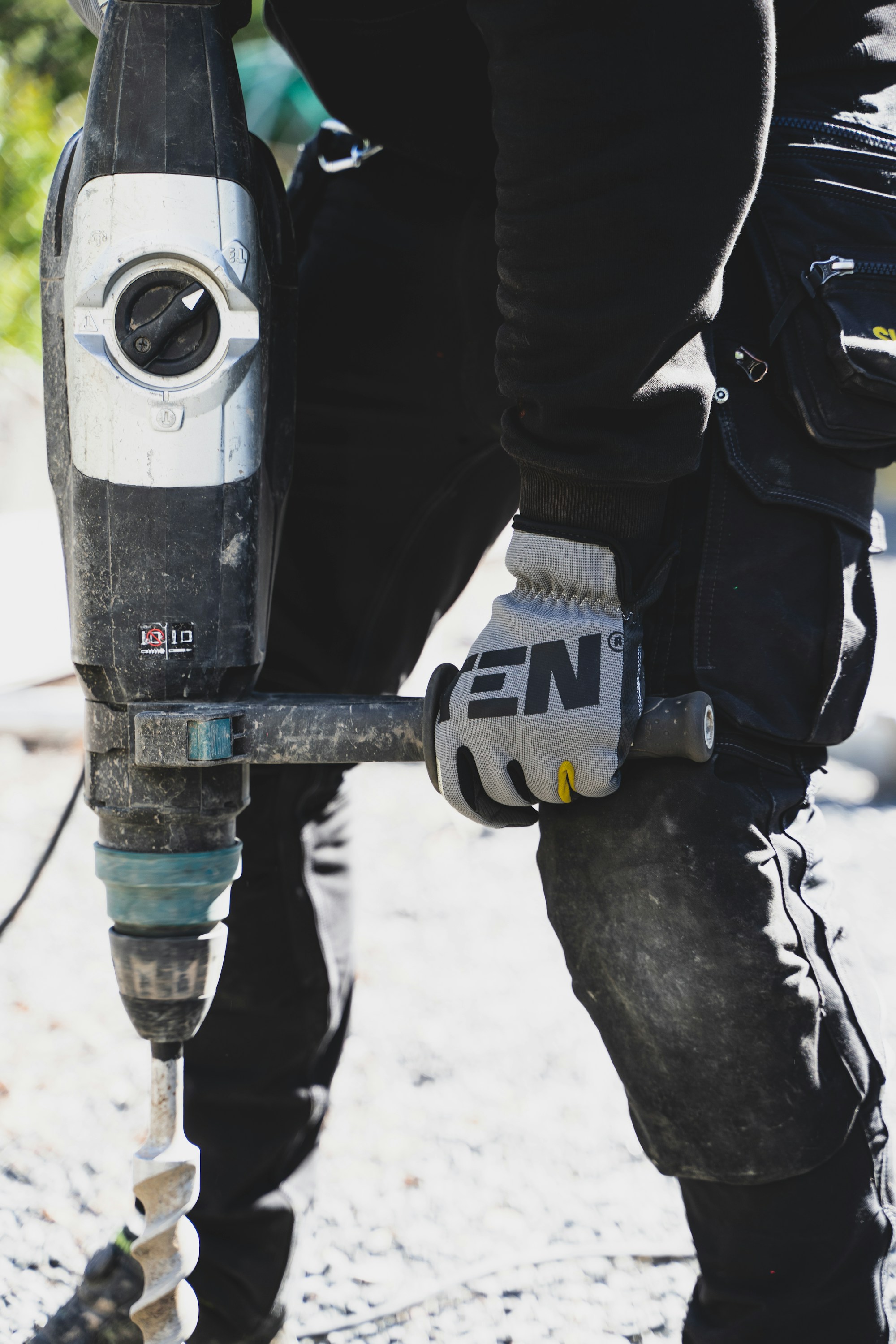
Health surveillance helps identify early signs of work-related ill health in employees exposed to specific workplace risks.
It can include hearing, skin, respiratory, musculoskeletal, HAV – Hand Arm Vibration surveillance and biological monitoring assessments, usually undertaken by occupational health nurses and technicians with physician input where appropriate.
The aim is to identify ill health early, protect the employee, prevent progression of symptoms and help the business review risk assessments and improve the workplace.
Programme types
Health surveillance programmes we provide
Respiratory surveillance
Skin surveillance
HAV – Hand Arm Vibration surveillance
Noise surveillance
Musculoskeletal screening
Biological monitoring

Programmes built around the hazard, with records, certificates and practical follow-up support.
We work with managers and health and safety teams to develop the right health surveillance programme for the business. Programmes include health surveillance assessments, fitness certificates with appropriate advice, anonymised group data, health surveillance compliance data, support in workplace improvement and information leaflets for employees.
COSHH, respiratory and skin
These programmes help identify early signs of exposure-related ill health in employees exposed to hazardous substances, respiratory and skin sensitisers and irritants. Regular surveillance supports compliance and helps businesses review controls before problems escalate.
HAV – Hand Arm Vibration, noise and musculoskeletal
Surveillance for vibration, noise and musculoskeletal risk helps identify symptoms and functional change at an early stage. This supports timely intervention, safer work allocation and stronger compliance with workplace health duties.
Biological monitoring
Biological monitoring is used where employees are exposed to specific chemicals or hazards such as isocyanates, chrome or cadmium. Monitoring frequency is determined clinically, with results reviewed and signed off appropriately.
Routine and review surveillance
Health surveillance can be delivered routinely or as a review process. Review surveillance may be required when symptoms are reported, exposure changes occur, abnormal exposure is identified or sickness absence raises occupational health concerns.